
Quick Answer: The right wheelchair is the one that matches your body, routine, and environment not the one with the most features. Start with how and where you’ll use it daily, get properly measured, and choose your cushion based on pressure-management needs rather than comfort alone. A stand up wheelchair only helps if your strength, range of motion, and joint stability support it. Not sure what fits you? A professional seating and mobility assessment, followed by a real-world test, will confirm the right setup before you spend anything.

A wheelchair is not just a mobility device, it’s an extension of daily life. The wrong fit can lead to poor posture, pressure sores, fatigue, and reduced independence. The right one supports comfort, protects skin health, and helps you do the things that matter to you every day.
Choosing correctly means looking past the frame and wheels to consider seating, measurements, cushioning, posture, and how the equipment fits your specific routine including whether a stand up wheelchair has a place in your day. Here’s how to work through that decision step by step.
Step 1: Start With Your Daily Routine, Not the Chair
Before comparing models, define how the wheelchair will actually be used:
- How many hours a day will you spend in it? Someone in a chair most of the day needs more positioning and pressure support than someone using it occasionally.
- Indoor, outdoor, or both? Doorways, turning space, flooring, ramps, and uneven surfaces all affect what will actually work for you.
- Self-propelled or does someone else move you? This changes wheel placement, frame width, and control access.
- What does independence look like for you? Operating controls, reaching for objects, and communicating should all factor into the equipment you choose.
- How will you transport it? Fitting into a vehicle is a different requirement than equipment that stays at home.
A professional seating and mobility assessment is the fastest way to turn these answers into the right setup, rather than guessing based on features alone.
Step 2: Get Properly Measured
Sizing is where most standard wheelchairs fail people. Key measurements include:
- Seat width – too narrow causes pressure and discomfort; too wide reduces stability and makes movement less efficient.
- Seat depth – should support the thighs properly without pressing behind the knee.
- Back height – impacts trunk support and arm mobility.
- Lower-leg length and footrest position affects posture and circulation.
- Armrest height – affects comfort and how easily you can reach controls.
These aren’t guesswork numbers. They’re taken against your body, your home layout, your vehicle, and your daily environment. Even a small difference here can change comfort and positioning, so have a professional take them whenever possible. Weight capacity matters too factor in any accessories or equipment you’ll be adding.
Step 3: Prioritize Posture and Positioning
Good seating isn’t just about comfort, it’s central to the entire mobility system. Depending on your needs, a proper setup may support:
- Pelvic and trunk positioning
- Head and leg support
- Pressure distribution and weight distribution
- Easier access to wheelchair controls
- Stability during everyday activities
Some users need extra support at the pelvis, trunk, head, or legs adjustable back supports, lateral supports, headrests, tilt, or recline may be worth considering. No one should be placed into the same position as everyone else. Good positioning also makes it easier to reach, communicate, and use controls throughout the day.
Step 4: Choose the Right Cushion for Pressure Management
Anyone sitting for long stretches should pay close attention to pressure management. Common options include:
- Foam cushions – lightweight, suited to lower-risk, more active users.
- Gel cushions – better pressure distribution with added stability.
- Air cushions – often used for higher pressure-management needs or full-time users.
The right choice depends on your posture, weight distribution, how long you sit, how much you move, and your individual risk factors. This is why cushion selection should happen alongside your seating evaluation not as an afterthought.
Step 5: Think About Where You’ll Actually Use It
A wheelchair that feels great in a showroom may not work well in your everyday surroundings. Before deciding, ask:
- Will it fit inside your vehicle?
- Is there enough turning space at home?
- Will it need to handle uneven outdoor surfaces?
- Can it be stored and maintained easily?
- Do you need to operate it fully independently?
Match the equipment to your actual environment, not just your physical needs.
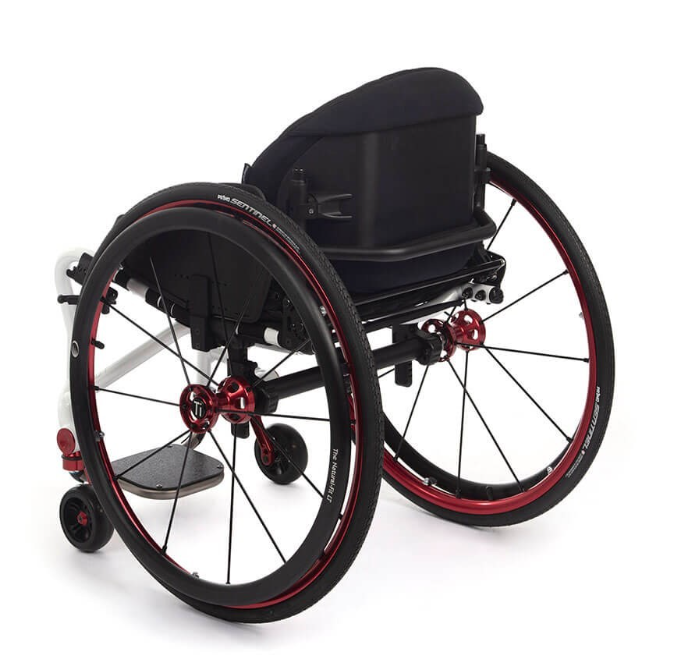
Step 6: Know When a Stand Up Wheelchair Helps
For some users, supported standing adds real value to daily life access to standing-height surfaces, face-to-face interaction, more independence for certain tasks, and additional positioning options throughout the day.
A stand up wheelchair moves the user from sitting toward standing with support the entire time. But it isn’t the right fit for everyone. Range of motion, strength, joint stability, positioning needs, and standing tolerance all need to be evaluated first. This is a decision worth making with a qualified seating and mobility professional, based on your specific goals not simply because the feature is available.
Step 7: Test It Before You Buy
Specifications can only tell you so much they can’t show you how a chair will actually feel for you. Whenever possible, test:
- Sitting comfort and postural support
- Ease of reaching and operating controls
- Turning and maneuverability
- Transfers in and out of the chair
- Performance on the surfaces you’ll actually use it on
If you’re considering a stand up wheelchair, test the standing function directly, with a professional guiding you.
Quick Checklist Before You Choose
- Have you defined how and where you’ll use the chair daily?
- Have you been professionally measured rather than just estimated?
- Have you addressed posture and positioning needs?
- Have you chosen a cushion based on pressure-management needs, not just comfort?
- Have you thought through your home and outdoor environment?
- Have you discussed whether a stand up wheelchair fits your goals?
- Have you tested the equipment before ordering?
Final Thoughts
The right seating and mobility solution is never one-size-fits-all. It’s the result of matching your body, your routine, and your goals to the right combination of seating support and mobility function. Skipping steps like proper measurement or cushion selection often leads to discomfort or equipment that doesn’t hold up long-term.
Heading: Ready to Work With a Custom Rehab Technology Specialist?
Frequently Asked Questions
How do I know if I need a manual, power, or complex rehab wheelchair?
It comes down to your strength, endurance, and daily routine. If you can self-propel comfortably and stay active most of the day, a manual wheelchair may work well. If upper body strength or endurance is limited, or you need to conserve energy for other tasks, a power wheelchair is usually a better fit. Complex needs like a specific diagnosis, posture requirement, or skin-integrity risk call for a custom rehab setup built around your body. A professional seating and mobility assessment can help you land on the right category before you start comparing models.
Why can’t I just go by the sizing charts online?
Sizing charts give you a starting point, not an answer. Seat width, depth, back height, and footrest position all interact with your posture, your home layout, and your day-to-day movement things a chart can’t account for. Even a small mismatch in measurements can lead to pressure points, poor stability, or discomfort over time. That’s why having a professional take your measurements against your actual body and environment matters more than picking the “closest” size on a chart.
Is a stand up wheelchair worth considering if I’m not sure I need it?
It’s worth asking about, but it’s not something to add just because it’s available. Supported standing helps when you have a clear need for it reaching standing-height surfaces, changing position through the day, or specific functional goals. Whether it’s appropriate depends on your range of motion, strength, joint stability, and standing tolerance. The right way to find out is a conversation with a qualified seating and mobility professional, not a guess based on features.
How do I choose between foam, gel, and air cushions?
It depends on how long you sit, how much you move, your posture, and your individual pressure-management risk. Foam works well for lower-risk, more active users. Gel adds better pressure distribution and stability. Air cushions offer the highest level of pressure redistribution and are often used for higher-risk situations or full-time use. Rather than picking based on comfort alone, it’s best to choose your cushion alongside your seating evaluation, since the two directly affect each other.
What happens if I skip testing the chair before buying?
You risk ending up with equipment that looks right on paper but doesn’t work in real life. Specs won’t tell you how a chair handles turning, transfers, reaching, or your specific outdoor surfaces. A trial lets you catch issues like discomfort, awkward control access, or poor maneuverability before you’ve committed to the purchase. If you’re considering a stand up wheelchair, testing the standing function directly is especially important, ideally with a professional present.