

Quick Answer: Picking a mobility solution isn’t easy when there are so many choices out there. This page covers what really counts before you invest comfort, safety, how a chair fits your body, and whether you need something for the house or the outdoors. You’ll walk away knowing which type actually suits your daily routine, not just the one with the flashiest ad. That means less time worrying about the wrong purchase, and more time getting around on your own terms.

What Should Seniors Look for in a Mobility Device?
On paper, a wheelchair has one job: get you from here to there. In practice, seniors are asking for a lot more than that. It needs to be comfortable enough to sit in for hours, stable enough to trust, and simple enough that you’re not fighting the controls every time you want to move. Some people mainly need to get around the house without wearing themselves out. Others are hoping to make it down to the corner store on their own, or maybe just take a slow lap around the block on a nice afternoon. Whatever the goal, the right equipment tends to make it a lot less complicated.
So, before anything else, figure out where the device will actually spend most of its time. A manual wheelchair often does better indoors and for shorter distances, where lightweight handling matters. A power wheelchair makes more sense for longer outings or for anyone who needs the extra support of powered mobility.
Which Features Make a Mobility Device Comfortable and Safe?
Comfort and safety come first, and for good reason a lot of seniors end up spending real time in that seat. Cushioning matters. So does back support and controls that adjust to fit the person using them, not the other way around. Controls should feel obvious, not like something you need a manual for.
Stability is the other half of the equation. A chair with the right wheelbase and responsive brakes will feel far more trustworthy once it’s out on uneven ground or in a crowded space.
A handful of things worth checking before buying:
- Seating – cushioning, real back support, and ideally some room to adjust it
- Controls – simple enough that you’re not thinking hard about them after the first week
- Balance – anything top-heavy or wobbly is going to get old fast
- Battery range (for power chairs) – needs to match how far you actually plan on going, not just what sounds impressive on a spec sheet
- Visibility -headlights or reflectors matter if you’ll be outside much
- Storage – a basket or bag is worth having; it’s a small thing until you’re carrying groceries without one
This is exactly why a proper evaluation and fitting matters so much the right combination of these features looks different for every person.
What Are the Best Mobility Solutions for Seniors With Different Needs?
There’s no single “best” chair here. It depends on the person, how they get around, what their days look like, how much space they have at home, and where they’ll actually be using the equipment.
Which Manual Wheelchairs Are Best for Indoor and Short Trips?
If most of the day happens inside, or close to home, a lightweight manual wheelchair tends to be the better fit. Models like the Motion Composites Helio A7 or the Tilite Aero T are built to squeeze through doorways and hallways that bulkier equipment can’t, which counts for a lot in an older house or a smaller apartment.
They’re also easier to fold, store, or load into a car. Still worth double-checking a few things first: seat comfort, weight capacity, and whether the chair feels steady once you’re in it.
Are Power Wheelchairs Suitable for Outdoor Activities?
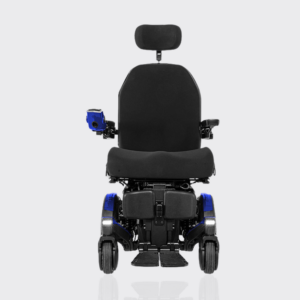
For seniors who want to get out and about on their own, power wheelchairs can open up a lot of that independence again. Sidewalks, shopping centers, quiet residential streets — most models, like the Permobil M3 Corpus or the Quantum Edge 3, are built to handle that kind of terrain just fine.
Outdoors, though, a few things become more important: battery range, ground clearance, tire quality, and how visible the chair is once the sun starts going down. For rougher terrain, a purpose-built option like the Track Master S2 is worth a look. Match the chair to the terrain, not just the person.
How Can Seniors Choose the Right Mobility Equipment for Their Lifestyle?
More features doesn’t automatically mean a better chair. What matters is whether it fits the life someone’s actually living. Someone getting around an assisted living facility has different needs than someone driving to the pharmacy twice a week.
A few honest questions can help narrow things down fast:
- Where does this equipment need to work best home, outside, or both?
- How far does it realistically need to go in a day?
- Is getting in and out easy or awkward?
- Do the controls feel natural after a few tries?
- Is the seat actually comfortable for longer stretches?
- Can it be stored or moved around without a hassle?
- Does the weight capacity and battery life line up with real use?
Answering these honestly tends to rule out the equipment that looks impressive on paper but doesn’t actually fit day-to-day life. If you’re not sure, that’s exactly what a consultation with an Assistive Technology Professional is for.
What Safety Tips Should Seniors Follow When Using a Mobility Device?
Even a great equipment still depends on how it’s used. Before heading into busy areas, it helps to practice the basics somewhere quiet turning, braking, adjusting speed, getting a feel for how the chair responds.
Maintenance shouldn’t be an afterthought either. Tires, brakes, the battery, lights all of it needs occasional checking, ideally on whatever schedule the manufacturer suggests. Eclipse Mobility offers ongoing repair and maintenance support long after delivery, so equipment keeps working the way it should.
Beyond that, the basics still apply: don’t rush, keep a comfortable pace, stay aware of what’s happening around you, and use lights or reflectors when visibility matters.
How Can the Right Mobility Equipment Support Senior Independence?
There’s more at stake here than getting from one room to another. The right chair can mean not having to ask someone else for a ride to the store, or not skipping a walk because the distance feels too far.
Finding that right fit takes a little patience matching the equipment to how someone actually moves through their day, not just picking whatever has the longest feature list or the highest price tag. Real stories from clients show what that looks like in practice see how a custom power wheelchair supported independence and accessibility for one Eclipse client.
What Is the Best Way to Choose a Mobility Solution?
At the end of the day, the best mobility equipment is the one that balances comfort, safety, and everyday practicality — not the one with the most bells and whistles. Think honestly about distance, terrain, seating needs, and how comfortable the controls feel before settling on anything. That bit of upfront thought pays off every single time the equipment gets used. Done right, it gives seniors a real sense of freedom in their day-to-day routine.
Not sure where to start, or whether insurance can help cover the cost? Check your insurance options or schedule a consultation with our team.
Conclusion
Every good choice here starts with the person, not the product. Some will do fine with a lightweight manual chair, others need something sturdier built for the outdoors, and some need a fully custom power wheelchair. Either way, comfort, stability, ease of control, battery life, and safety features deserve a real look before any purchase. Get that part right, and a mobility device stops being just equipment — it becomes one more way to move through the day on your own terms.
Eclipse Mobility’s certified Assistive Technology Professionals work alongside your therapy team and physician to find the right fit. Get started with a consultation today.
Best Mobility Solutions for Seniors: Comfort & Safety
Frequently Asked Questions
How much does a wheelchair usually cost?
Prices swing quite a bit. A basic manual chair for everyday indoor use will run cheaper than a fully custom power chair built with suspension, a larger battery, and added comfort features like tilt or standing capability. Rather than picking based on price alone, it helps to compare a few models side by side—like the Permobil F5 — and see what’s included at each level.
Can a wheelchair be used on public sidewalks and in stores?
Generally, yes—thoughit comes down to local rules and whatever policy the specific store has in place. A few outdoor areas restrict where powered equipment can go, and some businesses post their accessibility guidelines near the entrance. A quick check ahead of time avoids running into a surprise once you’re already out.
How long does the battery typically last on a single charge?
That’s going to vary based on the model, the terrain, and how much weight it’s carrying. Chairs built for short indoor trips usually don’t need as much range, while outdoor-ready power chairs tend to be built with longer stretches in mind. If covering real distance matters day to day, check the manufacturer’s listed range instead of assuming—ourteam can walk you through what each model actually delivers.
Do seniors need a prescription or doctor’s note to get a wheelchair?
Not necessarily. Paying out of pocket typically doesn’t require any medical paperwork at all. Where it gets more involved is when insurance or Medicare is footing part of the bill—inthat case, a doctor’s evaluation and a documented assessment with our team usually has to happen first.
How do I know if a manual chair or a full-size power wheelchair is the better fit?
Think about where most of the use will actually happen. Sticking close to home or moving around indoors? A lightweight manual chair is probably plenty. Regularly heading outside, covering longer distances, or dealing with uneven ground? A power wheelchair is going to hold up a lot better in that case. Picturing an average day — and talking it through during a consultation—tendsto make the answer pretty obvious.